
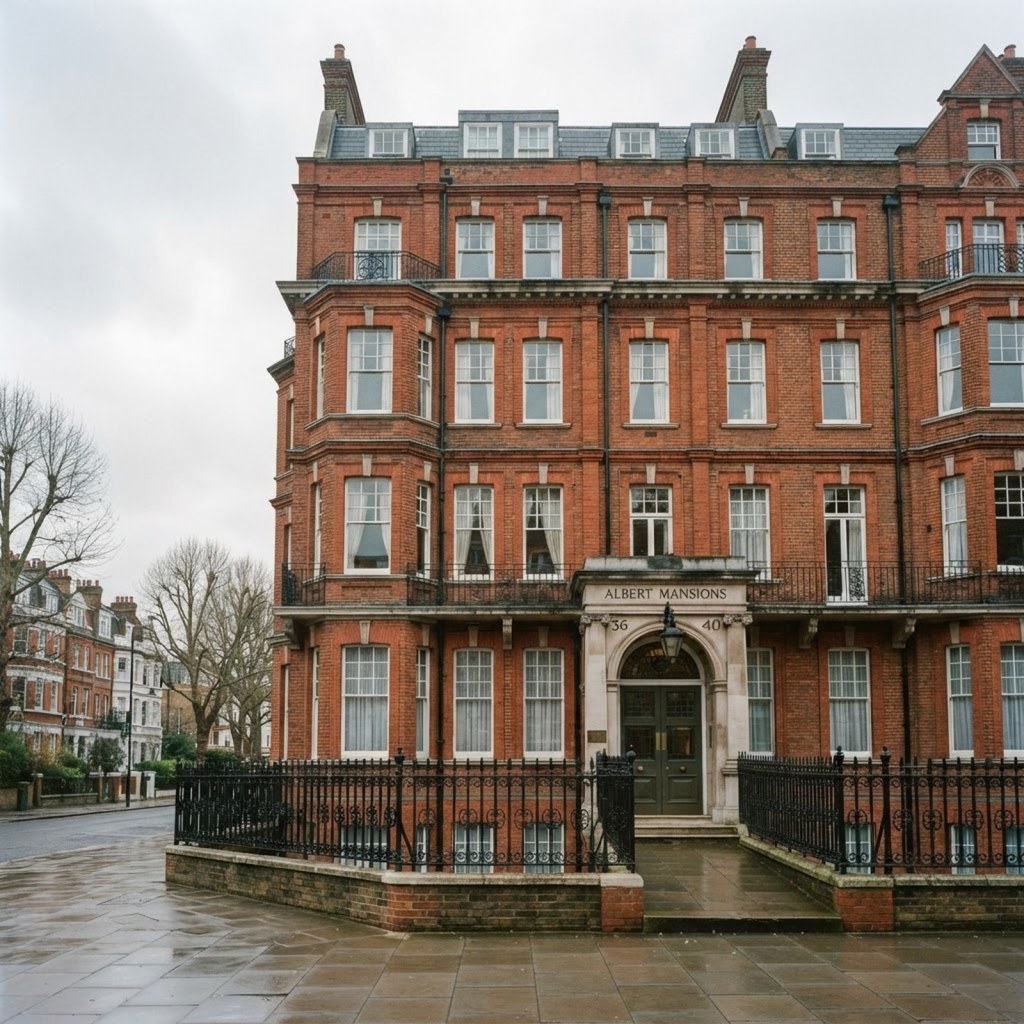
A serviced apartment that fails usually fails on permission, not on the marketing. The building does not care how good your photos are if the lease says no short lets and the mortgage says residential only.
This is the order I would work through before signing anything. It is not legal advice, but it is the list that stops you buying a problem.
Start with the lease, not the property
If the flat is leasehold, the lease is the first document you read. Not the service charge accounts, not the EPC. The lease, and specifically four things in it.
- The permitted use. Most residential leases grant use as a single private dwellinghouse. Letting by the night to a rotating cast of guests is a different thing, and some leases name it explicitly.
- Subletting clause. Whether you can let at all, whether you need consent, and whether that consent can be refused.
- Business use. Operating serviced accommodation is a business. Many leases prohibit trade or business use, and some freeholders enforce it.
- Insurance covenant. If the block policy has conditions that a paying-guest let would void, that is a real problem, not a technicality.
If the lease bans short lets, then the answer is no, and it stays no. There is no clever workaround worth the risk of forfeiture.
Freeholder consent, in writing
Where consent is available, get it in writing before completion, not after. Ask three questions in one email and keep the reply.
- Is consent granted for short-term letting of the whole flat, and for how long?
- Does the building insurance cover paying guests, or do I need to notify the insurer?
- Are there house rules on keys, guests, noise and waste that I need to comply with?
A verbal yes from a managing agent is worth nothing in a dispute. An email from the freeholder’s solicitor is worth keeping.
Planning: the part people skip
In England, short letting a dwellinghouse does not usually need planning permission for small-scale use, because the property stays in the same use class. What it can trigger is enforcement where the use is effectively a hotel by another name, or where it affects the building and the street.
In London there is an extra rule. Under the Deregulation Act 2015, a London host may short let their own home for up to 90 nights per calendar year without planning permission. Past 90 nights, and outside the host’s own home, you are in planning territory, and the burden is on you to establish the use is lawful.
Also check whether a registration or licensing requirement applies to short-term lets in your area. The position is moving across England, and the borough’s private rented sector team will tell you what applies today far faster than a forum will.
The mortgage
This is where a lot of plans quietly die. A standard residential mortgage usually requires the borrower to occupy, or restricts letting to an AST at market rent. Serviced accommodation, by the night, is outside what the lender agreed to.
Options, roughly, in order of simplicity.
- Buy with a product that permits it, and get that in writing from the lender.
- Ask for consent to let, in writing, with the terms.
- Refinance onto a commercial or semi-commercial product, and price the higher rate into the deal from day one.
- Say nothing to the lender. This is the one that ends with a demand for the full balance.
Insurance and rates
Landlord policies are not built for paying guests. You want cover that names short-term letting, includes public liability, and covers the contents guests actually use. It costs more. Build it into the model.
Council tax is the other one. A property used as self-catering accommodation can move to business rates if it meets the criteria, broadly being available to let for short periods for more than 140 days in a year and actually let for 70 or more. Below that it stays in council tax, and you keep paying it whether or not the flat is booked.
The order I would actually work in
- Read the lease and the title.
- Email the freeholder or managing agent for consent, and keep the reply.
- Call the council’s planning and private rented sector teams, with the address.
- Speak to a broker who arranges lending on serviced accommodation, not a comparison site.
- Get an insurance quote that names short lets.
- Confirm the council tax or business rates position.
- Only then model the numbers.
Seven steps, maybe three weeks. Cheaper than buying a flat you cannot legally let.
This is general information, not legal, planning or tax advice. Leases, lender criteria and council positions vary and change. For the operating model itself, read the serviced accommodation guide, and if you want a second pair of eyes before you commit, get in touch.


Leave a Reply